Office Clearance in Wanstead

Office clearance in Wanstead needs a careful, orderly approach so equipment, furniture and general workplace items are removed without unnecessary disruption. We handle clearance work for offices, workrooms and business premises with a focus on separating reusable items, recycling suitable materials and leaving the space ready for its next use. That can mean a full room clearance, a partial removal, or a targeted job for bulky items that need to be taken away with minimum fuss.
Our service is built around clear, practical removal work rather than rushed lifting. We can clear desks, chairs, filing cabinets, shelving, broken office furniture and mixed contents from storage areas, meeting rooms and back offices. Where there are items that should be kept aside, the job can be planned around those priorities, so the clearance stays organised and straightforward from start to finish.
For a straightforward enquiry, tell us what needs clearing and the type of workspace involved, then ask for a quotation in plain terms. Clear instructions save time, especially where access, parking or lift use needs to be considered. If you are comparing options, a brief description of the items is usually enough to begin the conversation. Speak to us about your clearance needs in Wanstead today.
What our office clearance service covers

Office clearance can involve much more than simply moving furniture out of the way. Workplaces often contain a mix of desks, pedestals, monitors, printers, storage units, reception seating and archive materials, so the removal plan has to match the layout and contents of the site. We focus on practical clearance work that helps make the area usable again, whether the job is part of an office move, a refurbishment, a closure or a general reorganisation.
Where the contents are varied, sorting is often a key part of the work. Some items may be suitable for reuse, while others are better separated for recycling or disposal. A sensible clearance will take account of what is present on site, how it can be moved safely, and which items need to be handled with particular care. That is especially useful when the room contains mixed office storage, older furniture and day-to-day operational equipment.
We can also support customers who only need selected items removed. Not every enquiry requires a full strip-out, and not every room has the same contents. A partial clearance may be the better option if you only want certain furniture, surplus equipment or accumulated waste taken away. That flexibility helps keep the job proportionate to the amount of material that actually needs to go.
Planning a clear and workable removal

Good office clearance work starts with a practical view of the space. Before items are moved, it helps to know what is staying, what is going, and whether any objects need to be separated from the rest. That is particularly important in offices where paperwork, boxed records, branded equipment or shared furniture may be stored in the same room. A clear plan reduces confusion and helps the clearance stay focused on the right items.
Two things often make the biggest difference to how a job is prepared: what access is available and how the contents are arranged. A ground-floor room with clear loading access is very different from a top-floor office with narrow corridors or fitted furniture. If a site has restricted entry points, it is better to mention that early, along with any items that are awkward, fragile or especially heavy. That kind of detail helps the quotation reflect the work more accurately.
When you are ready to enquire, a concise list is often enough. It can help to note the number of rooms, the main items, and whether anything needs to be kept in place. If the clearance is linked to a move-out or refit, it is also useful to say whether the space will be empty of people or still in use during the work. Request a quotation here if you want to discuss the scope in more detail.
Furniture, fixtures and everyday office contents
Office clearance often centres on the large items that are awkward to shift without proper planning. Desks, chairs, cabinets, meeting tables and shelving may all need to be removed in a sequence that keeps walkways clear and avoids unnecessary strain. If items are still serviceable, they can be separated from anything damaged or unsuitable for reuse, which helps the job stay organised and practical.
Some offices also contain fitted or semi-fixed pieces that need extra attention. Reception units, partition-related materials, awkward storage and older workplace fittings can take more time than standard furniture, so the method of removal matters. We approach these jobs with the aim of keeping the process tidy and controlled, rather than forcing everything into one general lift-and-load. That care is especially useful when the site has a mixture of open-plan working areas and enclosed offices.
Where a customer is deciding what should go, it is often helpful to separate the essentials from the surplus before the clearance begins. If you know that only certain desks, chairs or cupboards are to be taken, the work can be targeted accordingly. If the office contents are not yet sorted, that can still be discussed, but a little preparation usually makes the clearance more straightforward for everyone involved.
Recycling, reuse and responsible sorting

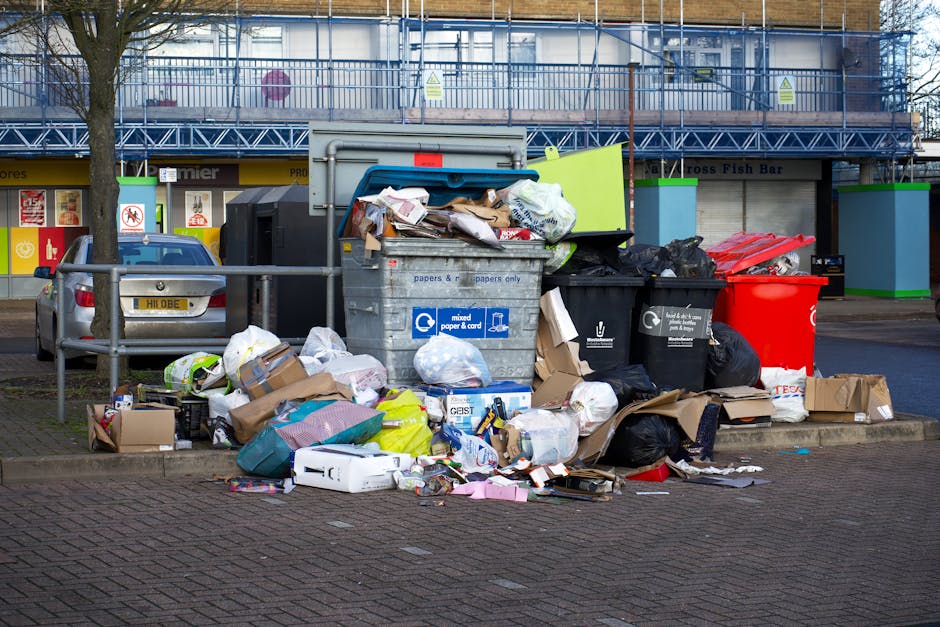
A well-run office clearance should not treat every item in the same way. Mixed office contents often include materials that can be recycled, furniture that may be reused, and items that simply need to be removed for disposal. By sorting the load sensibly, the clearance can be carried out in a way that is more organised and easier to manage at the point of removal.
We give attention to the different types of material present in a typical office environment. Wood-based furniture, metals, plastics and mixed components may need to be separated, especially where the site contains more than one kind of item. That approach helps the work stay efficient and reduces the chance of suitable items being treated as general waste without reason. It also gives the customer a clearer picture of what is being taken from the premises.
For many businesses, this part of the service is about keeping the clearance tidy and proportionate. You may not need a large-scale removal if only a few items are redundant, and you may not need a room-by-room emptying if the contents are already grouped. Useful sorting makes the process easier to plan, and it also helps when you are deciding how much of the office should be cleared in one visit.
About Wanstead
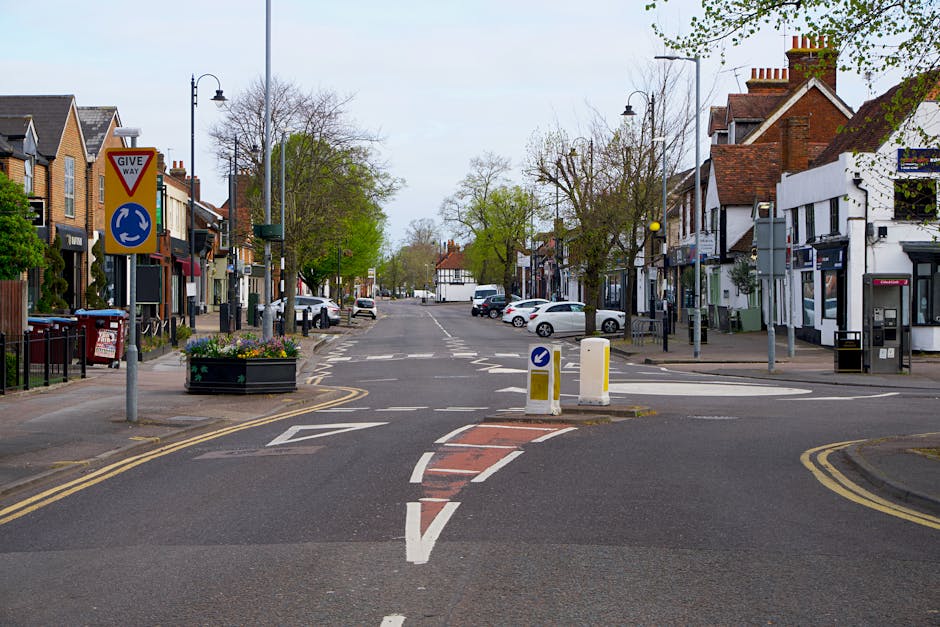
Wanstead is a district in east London, within the London Borough of Redbridge, and it is known for its blend of suburban streets, historic buildings and generous open space. The area sits close to the western edge of Epping Forest and includes Wanstead Park, a significant landscape shaped by the grounds of the former Wanstead House estate. Although the grand house itself no longer survives, the park retains traces of that history through its avenues, lakes and wooded spaces. The district’s centre includes the High Street, where local shops, cafés and everyday services sit alongside older architecture that reflects the area’s long development. Wanstead has strong connections to the Underground through Wanstead station, while nearby Greenman’s and Snaresbrook add to the wider local pattern of residential streets, schools and civic landmarks. The church of St Mary the Virgin is one of the best-known historic buildings in the district, and its setting contributes to the area’s distinct character. Much of Wanstead feels quieter than central London, yet it remains closely linked to the capital’s wider transport and cultural network. The combination of green space, village-like street patterns and established housing has helped the area keep a recognisable identity. For visitors and residents alike, the appeal lies in the balance between everyday convenience and the presence of parks, mature trees and older local landmarks that give the district its sense of continuity.
Clearance for offices before moves, refits and closures
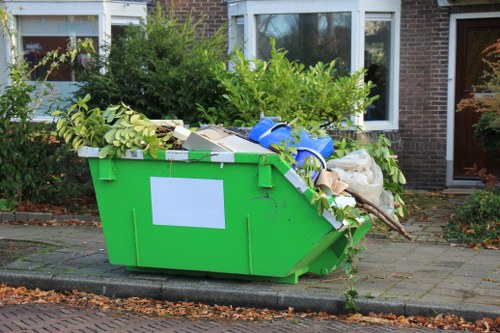
Different business situations call for different kinds of clearance. An office move may need redundant furniture and surplus equipment removed before handover, while a refit may require selected items to be taken out so decorators, installers or contractors can work freely. A closure can call for a fuller emptying of the premises, often with attention to rooms, storage cupboards and communal areas as well as the main workspaces.
We can tailor the removal to the pace of the project. Some jobs are best handled in one visit, while others are easier when broken into sections, particularly where the workspace is still partly occupied. In that case, the clearance can be planned around the areas that are available first, then completed once access opens up. That keeps the job practical and avoids unnecessary disturbance to the day-to-day running of the site.
If you are preparing a larger clear-out, it may help to group the items by room or by type before you send your enquiry. A brief note on what must stay on site, what is being replaced and what is simply no longer needed can make the quotation process much clearer. For a focused discussion, see our pricing and quotes information before you arrange the work.
Handling archives, stored materials and mixed contents
Many offices contain more than furniture alone. Archive boxes, shelves of stored paperwork, packaging, old promotional items and miscellaneous stock can all accumulate in corners, cupboards and back rooms. These contents need to be managed carefully because they often vary in weight, volume and handling requirements. An orderly clearance takes that variation into account rather than assuming everything can be moved in the same way.
Where archive materials are present, the key issue is usually not just volume but organisation. Boxes may be stacked densely, labels may be mixed, and storage areas can be crowded in a way that slows access. We can clear such spaces with a practical approach that keeps the work manageable and reduces the chance of leaving overlooked items behind. If there are contents that should be retained, they are best identified before the clearance begins.
Mixed contents can also include items that are no longer part of the office function but still occupy useful space. Old display materials, obsolete office supplies and redundant stock may all need to be removed in the same job. A good clearance plan allows these materials to be dealt with alongside the larger furniture items so the room can be reset for its next purpose.
Practical choices for business premises
Office clearance is often shaped by the kind of premises involved. A small suite may only need a few pieces of furniture removed, while a larger business space can have several work areas, shared rooms and storage points that each require different handling. The right approach is usually the one that fits the layout and the material present, rather than forcing every job into a single pattern.
Customers often want a simple process, and that usually comes from having the job described clearly at the outset. If the premises include reception areas, private offices or storage rooms, it is useful to mention those spaces in one place. The same applies if the clearance includes awkward items such as large cabinets, suspended units or older equipment that needs extra care during removal. The more precise the description, the easier it is to match the work to the actual task.
When you are considering the next step, remember that a quotation works best when it is based on the likely scope of the job rather than a vague estimate. That is why a few basic details are valuable: the type of office, the items to be cleared, whether access is straightforward, and whether any content needs to remain untouched. Tell us what needs to go, and we can take it from there.
Why organised clearance matters
An office can become cluttered gradually, so the value of a clear-out is often in restoring order as much as in removing physical objects. Once unwanted furniture and contents have gone, the remaining space is easier to assess, reassign or prepare for another use. That makes organised clearance useful not only at the end of a tenancy but also during changes in staffing, layout or equipment.
Good removal work also helps avoid unnecessary handling. If items are lifted and carried in a planned sequence, there is less chance of blocked access, damaged walls or confusion over what remains on site. This is why it is worth thinking about the route through the building, the size of the items and any points where furniture has to be angled or separated before it can be moved. A measured approach keeps the job focused on completion rather than improvisation.
For customers who want a clear starting point, the simplest step is to make a short note of the rooms, the items and the timing. That gives enough detail for an informed response without overcomplicating the conversation. If a visit is being arranged alongside other works, such as decorating or repair, mention that too so the clearance can be coordinated properly.
Getting a quotation for office clearance in Wanstead
Quotations for office clearance are usually clearer when the enquiry reflects the real scope of the work. The main points are the size of the space, the type of contents, how accessible the premises are and whether the clearance is partial or complete. Once those details are known, it is easier to assess the work in a way that is proportionate and sensible for both sides.
The most helpful enquiries tend to be concise but specific. A room count, a brief item list and a note about access are often enough to begin with. If the office has already been partly emptied, that is worth saying as well, because it changes the amount of sorting and handling required. Keep the focus on the items to be removed and any important conditions on site, rather than trying to describe every object in exhaustive detail.
When you are ready to proceed, send the basics and ask for a quotation in return. If you would rather speak through the details first, that is fine too. Contact us to request a quotation and arrange office clearance in Wanstead.