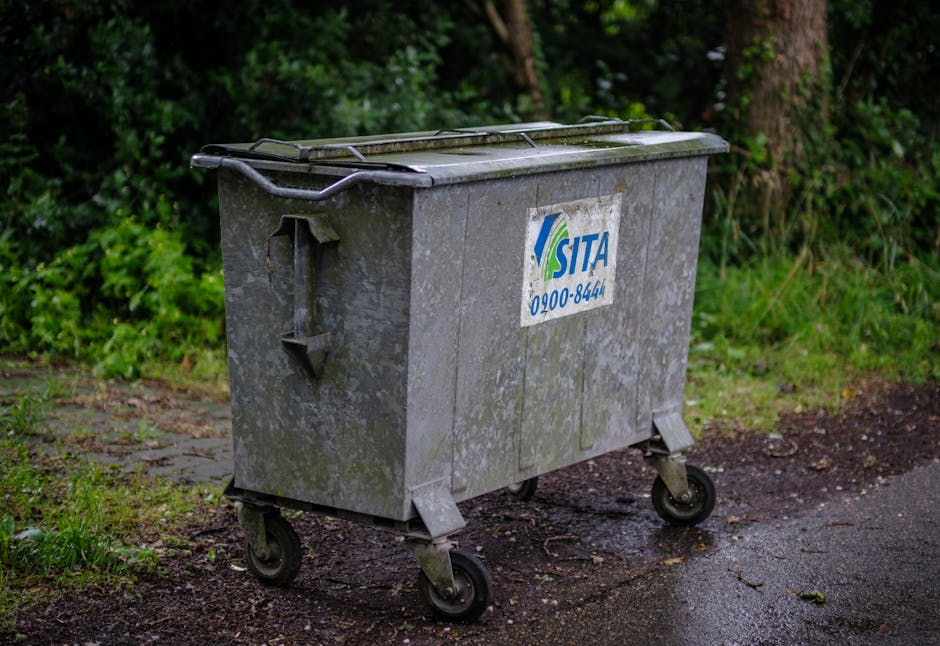
Trade Waste Licences for Wanstead Businesses Under Redbridge: A Practical Guide
If you run a shop, office, cafe, salon, workshop, or small site in Wanstead, trade waste licences for Wanstead businesses under Redbridge can feel like one of those admin topics you only notice when something goes wrong. A missed arrangement, the wrong bin use, or waste left out incorrectly can quickly become a nuisance, and sometimes a compliance headache too. The good news? Once you understand how it works, the whole thing is much less confusing than it first sounds.
This guide explains the basics in plain English, including what trade waste arrangements usually involve, why they matter, who needs them, and how to set things up without the usual faff. You will also find practical steps, common mistakes, a comparison of options, and a checklist you can actually use.
Why Trade Waste Licences for Wanstead Businesses Under Redbridge Matter
Trade waste is the rubbish your business creates through day-to-day operations. That can mean office paper, packaging, food waste, cardboard, old fixtures, broken furniture, renovation offcuts, or general commercial rubbish. The key point is simple: business waste is not the same as household waste. It needs to be handled, stored, and collected in a way that suits commercial use and local expectations.
For Wanstead businesses, this matters because waste management is part practical housekeeping and part legal responsibility. If waste sits outside too long, blocks access, smells, attracts pests, or gets mixed with the wrong materials, you can create avoidable problems for staff, neighbours, customers, and whoever is collecting it. Nobody wants that. Especially not on a busy street when it is raining and a delivery van is trying to squeeze past.
People often search for "trade waste licences" when they really mean one of a few different things:
- a business waste collection agreement
- permission to place bins or containers on business premises
- requirements from the local authority or landlord
- documentation showing waste is handled properly
That distinction matters. In plain terms, a licence is not always the same thing as a collection contract, and it is not always the same as planning permission either. It depends on the premises, the waste setup, and where the bins or skips sit. To be fair, this is where a lot of confusion starts. The phrase gets used loosely, but the practical need is usually about having the right arrangement and paperwork for commercial waste storage and removal.
For businesses in Wanstead, getting this right supports smoother operations and fewer interruptions. It also makes it easier to keep your unit tidy, protect hygiene standards, and show that waste is being managed responsibly.
How Trade Waste Licences for Wanstead Businesses Under Redbridge Work
In practice, the process usually starts with identifying the type of waste your business produces and how often it needs collecting. A cafe on a high street will have very different needs from an office above a shop or a small builder working from a yard. That sounds obvious, but it is exactly why one-size-fits-all advice rarely helps.
Depending on your setup, you may need one or more of the following:
- a business waste collection service
- a permit or agreement for placing bins on private land
- approval if containers are stored in a shared area
- clear terms for who is responsible for sorting and presenting the waste
If waste is being kept on your own premises, the main question is usually whether your storage arrangement is suitable and whether collections can be made safely and on schedule. If waste containers are placed somewhere that affects the public highway or a shared access route, the rules can become more specific. In those cases, checking the exact local requirements is essential before you do anything else.
Most businesses do best when the setup is simple. You decide what waste streams you have, choose the right collection frequency, and keep good records of what goes out and when. That may not sound glamorous, but it saves a lot of last-minute scrambling on a Monday morning when bins are overflowing and everyone is already grumpy.
If your business also handles bulky items, office furniture, or clearance waste, services such as business waste removal and office clearance can help you match the collection method to the actual waste you produce. For larger mixed loads, a broader waste removal approach may be more appropriate than a simple bin exchange.
Key Benefits and Practical Advantages
Once the right waste arrangement is in place, the benefits are immediate. Not dramatic, perhaps, but very real. Clean sites run better. Staff waste less time dealing with clutter. Customers see a more professional front. And you reduce the chance of a small issue turning into a messy one.
- Better compliance confidence: You know the waste is being managed through the right route rather than being left to guesswork.
- Cleaner premises: Fewer bags piling up in corridors, yards, or shared entrances.
- Improved hygiene and appearance: This matters especially for food businesses, clinics, salons, and customer-facing spaces.
- More efficient operations: Staff can focus on work, not ad hoc rubbish control.
- Less risk of complaints: Neighbours, landlords, and managing agents are generally happier when waste is under control.
- Better recycling outcomes: Waste sorted properly is easier to divert from disposal where possible.
There is also a subtle business benefit that gets overlooked: waste systems make your operation feel calmer. You notice it in small ways. Fewer "where do I put this?" conversations. Less noise around the back of the building. Fewer awkward moments with deliveries. It is not flashy, but it is useful, and useful wins.
For businesses that also care about their environmental footprint, a provider with a clear recycling approach can add real value. You can read more about responsible disposal and sorting through the site's recycling and sustainability approach.
Who This Is For and When It Makes Sense
Trade waste arrangements are relevant for most Wanstead businesses, even small ones. If your business throws away anything beyond very light incidental waste, it is worth looking at the setup properly rather than assuming a domestic bin will do the job.
Typical examples include:
- offices producing paper, packaging, and old equipment
- shops with cardboard, plastic wrap, and packaging offcuts
- cafes, takeaways, and restaurants handling food waste and packaging
- salons and clinics with consumables, packaging, and general rubbish
- tradespeople dealing with builder's waste, offcuts, or broken materials
- landlords and managing agents clearing business spaces between tenancies
It also makes sense if you are changing premises, taking over a new unit, or expanding your current operation. Those transition periods are where waste systems often get ignored. Then, a few weeks later, everyone is wondering why bins are in the wrong place or why collection days do not line up with the new schedule. Happens all the time, honestly.
If you are dealing with office furniture, old desks, shelving, or mixed clearance items, it can help to plan alongside relevant services such as furniture disposal or furniture clearance. For premises with storage areas, stockrooms, or loft-like upper spaces, even garage clearance and loft clearance style solutions can be useful references for how mixed items are handled in practice.
Step-by-Step Guidance
If you want a clean, workable setup, keep it simple and follow a sensible order.
- Identify your waste streams. List what you throw away in a normal week. Think cardboard, food waste, confidential paper, mixed rubbish, broken furniture, and anything bulky.
- Separate business waste from household waste. This is important if staff bring in personal items or if a mixed-use building creates confusing waste patterns.
- Check where waste is stored. Is it inside, outside, in a rear yard, in shared access, or on land near the road? The location affects what permissions or controls you may need.
- Choose the right collection method. A standard business waste collection may be enough, or you may need a more flexible clearance arrangement for irregular loads.
- Set collection frequency realistically. Weekly works for some sites, but busy premises may need more frequent pick-ups. Don't underdo it just to save a little on paper.
- Confirm responsibilities. Who puts bins out? Who keeps them clean? Who contacts the provider if a collection is missed?
- Keep records and paperwork tidy. Store waste transfer details, service terms, and any permissions or approvals in one place.
- Review after the first month. In many businesses, the first setup is close but not perfect. Adjust before small problems become habits.
If your business produces occasional bulky waste rather than a steady stream, it may be better to use scheduled collections for everyday waste and call in a clearance service only when needed. That is often the neatest way to avoid paying for capacity you rarely use.
Expert Tips for Better Results
There are a few habits that make trade waste arrangements work much better in real life.
- Keep waste streams separate where possible. Cardboard, food waste, metal, wood, and general waste are easier to manage when they are not all tipped together.
- Use the back-of-house space properly. A little structure goes a long way. Label the area, train staff, and make it easy to do the right thing.
- Measure what you actually throw away. Many businesses guess, and guess badly. A two-week check is often enough to spot patterns.
- Watch seasonal changes. Busy periods, refurbishments, and stock deliveries can double waste volumes for a short time.
- Plan for bulky items early. Waiting until a broken cabinet is in the hallway is exactly how the day gets derailed.
Another practical tip: speak plainly with whoever handles collections. "We produce one sack of food waste, six bags of general waste, and a lot of cardboard" is far more useful than "we have a normal amount of rubbish." The second version sounds tidy. The first version helps someone actually solve the problem.
If your premises involve heavier loads or renovation materials, it is worth looking at builders waste clearance as well. That is especially useful if the waste is chunky, dusty, or awkward to move safely by hand.
Common Mistakes to Avoid
Most waste problems are not dramatic. They start small. A missed detail, a vague assumption, a bin left in the wrong place. Then, a month later, everyone is irritated.
- Assuming domestic arrangements cover business waste. They usually do not, and that's where trouble begins.
- Using the wrong container size. Too small means overflow. Too large means wasted cost and awkward storage.
- Ignoring where the bins sit. A collection point that blocks access or creates safety issues can cause avoidable problems.
- Mixing recyclables with general waste. That can reduce recycling performance and make collections less efficient.
- Not checking landlord or managing agent rules. Shared buildings often have extra conditions that businesses forget about.
- Leaving old furniture or fixtures behind. If you are renovating or reconfiguring a unit, bulky items need a plan too.
One of the most common slip-ups is forgetting that staff habits change when a business gets busier. What worked for three people might fail for eight. You may not notice straight away; then one Friday afternoon there is a pile of cardboard, the black bags are full, and everyone is standing around it like it might resolve itself. It won't.
Tools, Resources and Recommendations
You do not need fancy software to manage trade waste well. A few practical tools are usually enough.
- Waste log: A simple spreadsheet or notebook noting collection dates, volumes, and issues.
- Bin labels: Clear labels reduce contamination and confusion for staff.
- Photo records: Useful if you need to show how waste is stored or how a site is laid out.
- Staff induction notes: Short instructions work better than long policies nobody reads.
- Site plan: Helpful for shared premises, rear access routes, and collection points.
For businesses looking for a service that can handle varied clearance jobs, the following pages may also be useful depending on the type of waste involved: office clearance, business waste removal, and waste removal. If the job is larger than a few bins, a proper clearance route is often cleaner, quicker, and less stressful.
For peace of mind on service expectations, it can also help to review the business-facing pages covering health and safety policy, insurance and safety, and pricing and quotes. That way, you know what to ask before agreeing to anything.
Law, Compliance, Standards and Best Practice
Because this topic touches waste handling and local business obligations, it is worth being careful. In the UK, businesses generally have a duty to manage their waste responsibly and keep it separate from household waste streams. They are also expected to use suitable carriers and follow lawful disposal practices. Exact licensing or permit requirements can vary depending on the site, the waste type, and where containers are kept.
In practical terms, good compliance usually means:
- knowing what type of waste the business produces
- keeping it stored safely and hygienically
- using a legitimate collection arrangement
- keeping records where needed
- checking local permissions if bins or containers affect shared or public space
If your business is in a shared building, a managed parade, or a leasehold unit, do not assume the waste arrangement is entirely your call. Managing agents, landlords, and neighbours may all have a say. It is much easier to check early than to unpick a dispute later. And yes, these things can become surprisingly picky if people feel access or cleanliness has been affected.
Best practice also means being realistic. If waste output has changed, update the arrangement. If your team has grown, add capacity. If you are generating more bulky material than expected, use a service that can deal with it properly rather than improvising.
Options, Methods, and Comparison Table
There is more than one way to handle business waste in Wanstead. The right route depends on how much you produce, how often, and how awkward the items are.
| Option | Best for | Strengths | Watch-outs |
|---|---|---|---|
| Regular trade waste collection | Shops, cafes, offices, and steady waste streams | Predictable, tidy, easy to manage | Needs accurate sizing and scheduling |
| Ad hoc clearance service | Bulky items, one-off clear-outs, refurbishments | Flexible and fast for irregular jobs | Not ideal for routine daily waste |
| Mixed waste approach | Sites with changing waste types | Useful during transitions or fit-outs | Needs careful sorting to avoid mess and confusion |
| Dedicated recycling-led setup | Businesses with higher cardboard or recyclable volumes | Cleaner waste flow, better environmental performance | Requires staff buy-in and consistency |
For many Wanstead businesses, the answer is a mix: routine collection for everyday waste, plus occasional clearance for bulky or unusual items. That approach is often more flexible than trying to force everything into one bin system. A small bit of planning now saves a lot of awkward lifting later.
Case Study or Real-World Example
Imagine a small design studio near Wanstead that has recently taken on two extra staff and started receiving more sample packaging, old display materials, and the odd broken chair. At first, the team keeps using the same bin setup they had before. It seems fine for a few weeks. Then the rear storage area gets crowded, cardboard starts leaning against the wall, and collections begin to feel too frequent for the waste being produced.
The fix is not complicated. They review what they are actually throwing away, separate cardboard from general waste, and switch to a better sized collection arrangement. For the bulky items, they arrange a separate clearance rather than stuffing things into the wrong bin. Straight away, the back area looks calmer. Staff stop improvising. The space smells cleaner too, which is one of those tiny wins you notice only after the mess is gone.
That is the real lesson here: good waste management is rarely about one big decision. It is usually a handful of sensible ones made early. And once the system fits the business, it stops being a problem at all.
Practical Checklist
Use this checklist before setting up or reviewing your arrangement.
- List the waste types your business creates.
- Separate household rubbish from business waste.
- Check where bins, containers, or stored items will sit.
- Confirm whether landlord or managing agent approval is needed.
- Choose a collection method that matches actual waste volume.
- Think about recycling streams, not just general waste.
- Make sure staff know what goes where.
- Keep records of collections and service terms.
- Review the setup after any move, expansion, or refit.
- Plan separately for bulky or one-off clearance items.
If you can tick those off, you are already ahead of many businesses. Not perfect, maybe. But properly on the way.
Get a free quote today and see how much you can save.
Conclusion
Trade waste licences for Wanstead businesses under Redbridge are really about making sure your commercial waste is handled in a way that is lawful, practical, and suited to your premises. Once you strip away the jargon, the job is straightforward: know your waste, store it safely, choose the right collection setup, and keep the paperwork and permissions in order.
For some businesses, that means a regular collection arrangement. For others, it means a mix of collection and occasional clearance. Either way, the best solution is the one that matches your actual day-to-day reality, not the version of your business you wish you had on paper. That is usually where the smart decisions live.
If you approach it early, keep it simple, and review it from time to time, waste management stops being a nagging issue and becomes just another part of a well-run business. Small win, but a meaningful one.
Frequently Asked Questions
Do Wanstead businesses need a trade waste licence for every type of rubbish?
Not always. The exact requirement depends on the waste type, where it is stored, and how it is collected. In many cases, businesses need a proper collection arrangement rather than a formal licence in the everyday sense people mean it.
Is trade waste the same as commercial waste?
Yes, those terms are often used interchangeably. They both refer to waste created by a business rather than by a household.
Can I use my domestic bins for business waste in Wanstead?
Usually, no. Business waste should be handled through the correct commercial route. Mixing it into domestic collection streams can create compliance and collection problems.
What if my business only produces a small amount of waste?
Even small amounts should be managed properly. A modest office or salon may only need a simple collection setup, but it should still be suitable for business use.
Do I need permission if bins are stored outside my shop?
Possibly. If the bins are on private premises, the rules are different from a setup that affects a shared space or the public highway. It is best to check before placing them.
How often should trade waste be collected?
That depends on how much waste you produce and what type it is. Busy cafes and retail units may need more frequent collections than offices or low-volume businesses.
What happens if I mix recycling with general waste?
It can make collections less efficient and may reduce how much can be recovered for recycling. Good sorting also helps keep storage areas tidier and easier to manage.
Can bulky office furniture be included in normal waste collections?
Not usually. Larger items are often better handled through a dedicated clearance service, especially if they are awkward, heavy, or numerous.
How do I know if my current arrangement is good enough?
Ask whether it is clean, safe, consistent, and suited to the amount of waste you actually produce. If bins overflow, staff are confused, or collections keep causing disruption, it probably needs a review.
What records should a business keep for waste management?
Keep service agreements, collection notes, and any permission or approval documents you have been given. It helps if you ever need to check what was agreed or when it changed.
What is the easiest next step if I am not sure what I need?
Start by listing your waste types and how often they appear. Then compare that with the collection or clearance options available. A short review now is much better than sorting out a messy setup later.
Is trade waste management relevant for landlords and managing agents too?
Yes, very much so. If you manage business premises or shared commercial units, you will likely need to think about waste access, storage, collection timing, and tenant responsibilities.
Where can I learn more about related clearance services?
You can explore related service pages such as business waste removal, waste removal, and recycling and sustainability for broader practical guidance.