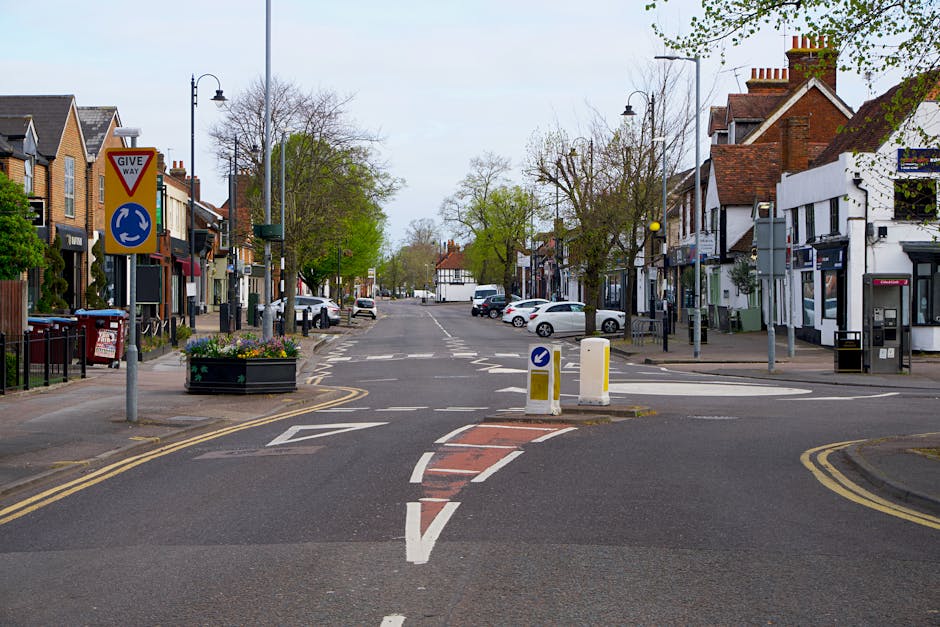
Woodford New Road rubbish collection options Wanstead
If you are trying to clear rubbish on or near Woodford New Road in Wanstead, the real question is usually not whether to get rid of it, but how. Do you need a quick one-off collection, a fuller property clearance, help with bulky furniture, or a safer way to deal with mixed waste after a project? The best Woodford New Road rubbish collection options Wanstead will depend on what you have, how fast it needs to go, and how much lifting, sorting, and disruption you want to avoid.
This guide breaks down the practical choices in plain English. You will see how rubbish collection typically works, what to watch out for, where the value is, and when a more tailored clearance service makes more sense than a basic pickup. Let's face it, rubbish has a habit of turning into a bigger job than it first looked. One black bag becomes five. A broken wardrobe becomes a hallway problem. And suddenly the bin-store feels like a small battlefield.
To keep things simple, this article focuses on the common collection routes people use in the Wanstead and Woodford New Road area, with a close look at convenience, compliance, sorting, and cost control. If you want to explore related services too, you can review general waste removal options alongside more specific services such as house clearance or furniture disposal.
Table of Contents
- Why Woodford New Road rubbish collection options Wanstead Matters
- How Woodford New Road rubbish collection options Wanstead Works
- Key Benefits and Practical Advantages
- Who This Is For and When It Makes Sense
- Step-by-Step Guidance
- Expert Tips for Better Results
- Common Mistakes to Avoid
- Tools, Resources and Recommendations
- Law, Compliance, Standards, or Best Practice
- Options, Methods, or Comparison Table
- Case Study or Real-World Example
- Practical Checklist
- Conclusion
- Frequently Asked Questions
Why Woodford New Road rubbish collection options Wanstead Matters
Woodford New Road sits in a busy part of East London where homes, flats, small businesses, and frequent refurbishments all create different kinds of waste. That matters because rubbish collection is not a one-size-fits-all job. A pile of garden waste, a few old chairs, and builders' rubble all need different handling. Choose the wrong method, and you can end up paying more, waiting longer, or dealing with avoidable hassle.
For local residents, the main issue is often access. Narrow drives, parking pressures, stairs, shared entrances, and limited loading space can make a simple lift-and-go service surprisingly tricky. For businesses, the pressure is more about time. Waste left too long gets in the way of staff, customers, and the general flow of the day. Nobody wants to tiptoe around a stack of cardboard on a Monday morning.
There is also a quality-of-life point here. A tidy property feels calmer. You notice it as soon as the clutter leaves: the room looks bigger, the air feels less stale, and you can actually move without apologising to the furniture. That is especially useful if you are preparing for a tenancy change, sale, renovation, or family visit.
In practical terms, the right collection option can help you:
- remove waste without repeated trips to the tip
- avoid overfilling household bins or leaving items on the pavement
- save time on lifting, sorting, and loading
- handle bulky or awkward items more safely
- reduce the risk of contamination between recyclable and non-recyclable waste
It also gives you more control over the end result. Some people want a light-touch pickup. Others want a full clear-out, with sorting and sweep-up included. Both are valid. The key is matching the service to the job, not the other way around.
How Woodford New Road rubbish collection options Wanstead Works
In most cases, rubbish collection starts with a short assessment of what needs removing. That might be done from photos, a written description, or a quick visit for larger jobs. The provider then looks at the volume, weight, item type, access, and any special handling needs. Straightforward, really. But the details matter.
For a small household load, a collection may be as simple as arriving at an agreed time, loading the waste, and leaving the area tidy. For a bigger clearance, the process may include sorting items into categories such as reusable goods, recyclable material, general waste, and anything requiring separate handling.
Some jobs sit neatly in the middle. A flat clear-out, for example, may involve a mix of furniture, old appliances, bags of household clutter, and a few unexpected bits from cupboards and storage spaces. That is where a more flexible service helps. A team that understands flat clearance or home clearance can usually deal with mixed loads more efficiently than a generic pickup.
Typical stages look like this:
- Identify the waste type - household rubbish, garden cuttings, furniture, renovation debris, or office waste.
- Check access - stairs, parking, loading distance, and any items that need dismantling.
- Choose the collection method - single-item pickup, partial clearance, or full property clearance.
- Confirm any special requirements - heavy lifting, waste segregation, recycling, or same-day timing.
- Arrange the collection - agree a time window and make sure the waste is reachable.
- Remove, load, and sort - the team collects the items and separates them where appropriate.
- Finish with a tidy-up - a small but important detail that saves you work later.
That last step is easy to overlook. Yet once the piles are gone, dust, screws, packaging, and random bits can be left behind. A decent service does not just take the visible mess and disappear. It should leave the space genuinely usable.
Key Benefits and Practical Advantages
There are several reasons people in Wanstead choose a professional collection instead of trying to handle everything themselves. Time is the obvious one, but it is not the only one. The bigger gains often show up in the hidden parts of the job.
1. Less lifting and fewer risks
Heavy or awkward waste can be difficult to move safely, especially on stairs or through tight doorways. A proper clearance team should be used to that kind of work. One badly angled wardrobe can become a two-person puzzle very quickly.
2. Faster turnaround
When waste needs to go quickly, a collection service can be much more efficient than hiring a vehicle, getting bags together, and making multiple trips. That matters if you are handing back keys, opening a room back up, or making a site safe.
3. Better sorting
Different waste streams often need different treatment. A service with a recycling focus can separate recyclable items, reusable furniture, and general waste more effectively than a rushed DIY clear-out.
4. Cleaner presentation
This sounds minor until you see the difference. A cleared room, garage, loft, or garden can immediately improve the feel of the whole property. People underestimate that. Then the space is empty and, well, suddenly it breathes.
5. More suitable for mixed loads
Many local jobs are not just one category of waste. They are a bit of this, a bit of that, and a few "I forgot that was even there" items. Mixed-load handling is often the real value.
6. Easier planning
If you know what type of collection you need, it becomes easier to plan around parking, access, deadlines, and whether anyone needs to be present.
If the waste includes furniture, it may also be worth comparing collection against dedicated furniture clearance or furniture disposal, especially where bulky pieces are the main issue.
Who This Is For and When It Makes Sense
Woodford New Road rubbish collection options Wanstead are useful for a wide range of people, and not just in obvious "big clear-out" situations. In fact, some of the most common requests are modest jobs that simply got annoying enough to postpone. You know the sort of thing: the spare room that became storage, the garden corner where everything landed after winter, or the office cupboard that kept swallowing old files.
This kind of service makes sense if you are:
- a homeowner clearing general household waste
- a tenant moving out and leaving items behind
- a landlord preparing a property for reletting
- a flat owner dealing with access-heavy removals
- a business with surplus stock, cardboard, or office furniture
- a contractor finishing a small building or refurbishment project
- someone who simply needs bulky items gone without the faff
It also makes sense when the job is not really suitable for standard bin collection. For example, a broken bed frame, a fridge that no longer works, bags of old loft insulation, or leftover materials after a DIY update may need a proper removal route rather than waiting around for council-style collection arrangements that may not fit your timing.
Sometimes the choice is about scope rather than size. A few items can still be awkward if they are difficult to reach. A narrow stairwell, a top-floor flat, or limited parking can turn a "small" job into a time-consuming one. That is where a service with the right access planning becomes surprisingly valuable.
Step-by-Step Guidance
If you want to make the process smooth, the best approach is to prepare a little before collection day. Not much. Just enough to avoid the usual headaches.
1. Make a simple list
Walk through the area and note what needs removing. Be specific. "Old stuff in the garage" is less useful than "two bikes, four bags of clutter, one broken shelving unit, and some paint tins." The clearer the list, the easier it is to estimate the job properly.
2. Separate obvious items
Group together furniture, bagged rubbish, garden waste, and anything bulky. If you have anything unusual, such as paint, electrical items, or builder's rubble, flag it early. That way, nobody is surprised on arrival. A small thing, but it saves a lot of back-and-forth.
3. Check access points
Think about stairs, gates, parking, basement access, and whether the team will need help from building management or a concierge. If there is a loading restriction or a tight road, mention it before the day itself.
4. Decide what should be removed and what should stay
This sounds obvious, yet it is where many jobs go wrong. If you leave items mixed together, the wrong thing can be taken. Mark what stays. Tape, labels, or even a quick "leave this" note can prevent mistakes.
5. Ask about sorting and disposal approach
If recycling or reuse matters to you, ask how the waste will be handled. A good provider should be able to explain their approach in plain language. You do not need a lecture. Just clarity.
6. Keep the route clear
On collection day, move fragile items out of the way and make sure access paths are clear. If the team has to squeeze past bins, pushchairs, or delivery boxes, the job slows down. It is amazing how much time that saves, really.
7. Walk through the space afterwards
Do a final check before the team leaves. Look in cupboards, under stairs, and behind doors. I have seen people discover an extra lamp, a cable bundle, or a forgotten chair just after the van pulled away. Annoying. Easily avoided.
Expert Tips for Better Results
There are a few small habits that make rubbish collection run much better, especially in tighter Wanstead streets where access and timing matter.
Be realistic about volume. People often underestimate how much space broken items and bagged rubbish take up. A single bulky sofa can fill more room than a dozen bags. Take a moment to step back and look at the pile as a whole.
Prepare for mixed waste. If you have a mix of rubbish types, tell the provider early. Mixed loads can often be handled efficiently, but only if they know what they are dealing with.
Keep reusable items separate. If some furniture or household goods are still usable, set them aside. That can help avoid unnecessary disposal of items that could be reused elsewhere. It also makes the clear-out feel more deliberate and less wasteful.
Use a service that matches the job size. A small rubbish collection is not the same as a full house clearance. If the job is growing as you tidy, choose a flexible service from the start. It saves the awkward mid-job phone call where you say, "Actually, there's more than we thought."
Ask for clarity on what is included. Will the team carry items from upstairs? Do they dismantle furniture? Do they sweep up afterwards? These details matter more than people realise.
Think about timing. Early morning collections can be easier in busy streets, while afternoon slots may suit people who need time to finish sorting. If the weather is wet, even more reason to avoid dragging waste around longer than needed.
Expert summary: The best rubbish collection is not simply the cheapest or quickest. It is the one that fits your access, waste type, timing, and end goal without creating extra work for you later.
Common Mistakes to Avoid
Most problems with rubbish collection are avoidable. That is the good news. The not-so-good news is that the same mistakes crop up again and again.
Leaving sorting until collection day
If everything is still mixed together when the team arrives, delays are more likely. Clear piles are quicker to assess and easier to load.
Underestimating access issues
Stairs, parking, and narrow entrances can change the whole job. If you do not mention them, the collection may take longer than expected.
Assuming all waste is treated the same
It is not. Different waste streams may need different handling. Old furniture, rubble, electrical items, and garden waste should not all be treated as one big generic pile.
Forgetting about hidden items
Lofts, cupboards, under-bed storage, sheds, and garage corners often hold more than people expect. A quick double-check helps.
Trying to keep too many "maybe" items
If you are unsure, make a decision before the collection arrives. Otherwise the job becomes a slow debate with yourself while everyone waits. We have all been there, to be fair.
Ignoring nearby residents or neighbours
If loading could affect access, noise, or parking, be courteous and plan accordingly. A bit of neighbourly care goes a long way in shared streets and blocks.
Tools, Resources and Recommendations
You do not need special equipment for most rubbish collection jobs, but a few simple tools help a lot.
- Marker tape or sticky notes for identifying items that must stay
- Heavy-duty bags for loose waste and mixed clutter
- Gloves for light sorting before the collection team arrives
- A phone camera to document the load for your own reference
- Basic measuring awareness so you can judge whether large furniture will fit through doors
For more structured clear-outs, it can help to think in terms of room or property type. If the issue is a storage-heavy loft, then loft clearance may be the better fit. If it is a garage packed with mixed items, garage clearance often makes more sense. And if the waste is mostly outdoor cuttings or pruning debris, garden clearance is usually the cleanest route.
Where the collection relates to work activity, a more business-focused service may be appropriate. Offices often generate paper, furniture, packaging, and obsolete equipment in batches, so office clearance or business waste removal can be the better match.
One final recommendation: keep a short note of what was removed. It is useful for your own records, especially if you are managing a move, rental handover, or refurbishment. Nothing fancy. Just enough to remember what went and when.
Law, Compliance, Standards, or Best Practice
When rubbish is being collected, the main compliance concern is making sure waste is handled responsibly and by an appropriate provider. In the UK, waste should not be fly-tipped, left in unsafe locations, or mixed carelessly in ways that create avoidable environmental problems. That part is straightforward enough, but it is worth saying plainly because the consequences of getting it wrong are not small.
From a customer point of view, best practice usually means:
- using a provider that is transparent about how waste is handled
- asking what happens to reusable or recyclable items
- making sure access and removal are safe for everyone involved
- avoiding informal arrangements that leave you unclear about responsibility
- keeping records or confirmations for your own peace of mind
If your job involves heavy lifting, sharp materials, broken glass, damp waste, or anything that could create hazards, safety should come first. A proper approach will include careful handling, suitable equipment where needed, and sensible route planning. You should also expect clear communication around insurance and safety arrangements, which is why pages like health and safety policy and insurance and safety can be useful to review before booking.
For environmentally minded customers, it also helps to ask about reuse and recycling. A service with a clear sustainability approach should be able to explain its process in normal language. If that matters to you, take a look at recycling and sustainability so you know what to expect.
And a small but important note: if you are disposing of items from a rented property, commercial premises, or a managed building, it is sensible to check any building-specific rules before collection day. Better to ask once than to unravel a parking or access problem later.
Options, Methods, or Comparison Table
Different rubbish collection options suit different situations. Here is a practical comparison to help you choose without overthinking it.
| Option | Best for | Strengths | Limitations |
|---|---|---|---|
| Small general rubbish collection | Bags, light clutter, a few mixed items | Quick, simple, low effort | Not ideal for bulky or heavy loads |
| Bulky item removal | Sofas, wardrobes, beds, white goods | Good for awkward objects and lifting help | May need clear access and accurate item details |
| Room-by-room clearance | Spare rooms, lofts, garages, flats | Structured, easier to manage, less chaotic | Takes a bit more planning |
| Full property clearance | Moves, probate, voids, major decluttering | Most comprehensive, best for larger jobs | Usually more involved than a simple pickup |
| Trade or renovation waste removal | Builders' debris, packaging, rubble, project waste | Suited to construction-related material | May need separate handling for certain waste types |
If your waste comes from a renovation or repair project, it may be more appropriate to use builders waste clearance rather than a generic rubbish pickup. That distinction matters more than people think, especially when the load includes heavier or messier material.
Case Study or Real-World Example
Here is a realistic local example. A household near Woodford New Road had accumulated a mix of old dining chairs, broken shelving, several bags of general clutter, and a few boxes from a long-postponed loft tidy. Nothing dramatic. Just the sort of thing that quietly grows over months.
At first they considered doing it themselves. Then they looked at the stairwell, realised one of the shelves would barely turn on the landing, and changed their minds. Sensible move, really. They grouped the items by type, moved a few keepers aside, and cleared a path to the front entrance. The collection itself became much easier because the load was ready to go rather than scattered across three rooms.
The useful part of that story is not that it was a huge job. It was that the couple made a few small decisions early. They did not overcomplicate it. They did not keep "maybe" items in the pile. And they did not wait until the day to figure out what was staying. The result was a cleaner space and far less stress than they had expected.
That kind of outcome is common with rubbish collection in Wanstead. Most of the time, the success comes down to good preparation and choosing the right collection method, not brute force.
Practical Checklist
Use this quick checklist before arranging a collection:
- Have I identified exactly what needs removing?
- Are any items bulky, heavy, fragile, or awkward to carry?
- Do I know whether the waste is general, furniture, garden, or builders' material?
- Have I checked access, parking, and stairs?
- Are there any items I want to keep clearly separate?
- Do I need a partial clear-out or a full clearance?
- Have I checked for anything hidden in cupboards, lofts, sheds, or corners?
- Do I want a focus on reuse or recycling?
- Have I allowed enough time before a move-out, inspection, or project deadline?
- Have I reviewed the provider's safety and payment information?
A clean checklist saves stress. Simple as that.
Conclusion
Woodford New Road rubbish collection options Wanstead are at their best when they are matched to the real shape of the job. A few bags of clutter, a bulky wardrobe, a garden pile, or a full property clear-out all call for different approaches. The right choice will save time, reduce lifting, and leave you with a space that feels properly sorted rather than just temporarily less messy.
If you take one thing from this guide, let it be this: describe the waste clearly, think about access early, and choose the option that fits the job rather than forcing the job into the wrong option. That one habit prevents a lot of avoidable stress. And honestly, that is usually what people want most of all.
If you are comparing services, it can help to look at the wider service range too, including house clearance, flat clearance, and furniture clearance, so you can match the solution to the actual amount and type of waste.
Get a free quote today and see how much you can save.
When the last bag is gone and the floor is clear again, it is amazing how quickly a place can feel lighter. A small relief, but a real one.
Frequently Asked Questions
What are the best Woodford New Road rubbish collection options Wanstead for a small amount of waste?
For a small amount of waste, a basic rubbish collection or waste removal service is often the most practical choice. If the items are bulky or awkward, a targeted collection may be better than trying to move everything yourself.
Can I use rubbish collection for mixed household items?
Yes, in many cases you can. Mixed household loads are common, especially where a loft, garage, or spare room has been used for storage. It helps if you list the items clearly in advance.
Is furniture included in rubbish collection?
It can be, but furniture is often better treated as a dedicated job because of its size and handling needs. If that is your main issue, furniture clearance or furniture disposal may be the cleaner fit.
What if I have waste from a refurbishment or DIY job?
That is usually better handled as builders' waste rather than ordinary household rubbish. Builders waste clearance is designed for heavier, messier project material and often makes the process simpler.
How do I know whether I need a full clearance or just a collection?
If the waste is confined to a few bags or a small set of items, a collection may be enough. If several rooms, storage spaces, or a whole property need clearing, a more comprehensive clearance is usually the better option.
Will the team remove waste from upstairs flats?
Often yes, but access should be confirmed first. Stairs, narrow corridors, and parking can all affect how the collection is planned, so it is worth mentioning them early.
What should I do before the collection team arrives?
Separate items you want to keep, make sure the waste is accessible, and clear a route where possible. A little preparation makes the collection faster and reduces the risk of mistakes.
How can I make the collection more environmentally responsible?
Ask how items will be sorted, whether reusable goods are separated, and what happens to recyclable material. A provider with a clear recycling and sustainability approach should be able to explain that plainly.
Are there any safety concerns with rubbish collection?
Yes, especially if the waste includes sharp edges, broken glass, damp material, or heavy items. Safe lifting, sensible handling, and clear access are all important. It is worth checking health and safety information before booking.
Do rubbish collection services work well for flats and shared buildings?
They can work very well, provided access is planned properly. Flat clearances often need a bit more coordination because of stairs, parking, and shared entrances, but that is normal.
How far in advance should I arrange a collection?
As soon as you know the waste needs to go, especially if you have a move-out date, inspection, or project deadline. Some jobs are flexible; others are more time-sensitive than they first seem.
What if I am unsure what type of service I need?
Start by describing the waste in simple terms: what it is, where it is, how much there is, and what the access is like. That usually makes the right choice pretty clear. If not, compare waste removal, clearance, and furniture-specific services until the job fits neatly.
For pricing clarity and practical next steps, it can also help to review pricing and quotes and the company's wider service information before you decide.